
- single stage centrifugal pumps with bearing housing
- monoblock stage pumps
- process and chemical pumps
- self priming pumps
- multistage vertical and horizontal pumps
- shaft pumps
- diagonal pumps
- dual pump
- submersible pumps
- Franklin Electric submersible motors
- Sanitary pumps Grundfos Hilge
- deep-sea pumps
- mixing spotlight
- vacuum pumps blowers
- screw pumps
- hydrotransport pumps
- sets Hydrophore
- metering pumps and dosing systems
- water supply machines
- linear monoblock pumps
- Circulation pumps
- stampings
- self priming dewatering pumps with electric and internal combustion
Sanitary pumps Grundfos Hilge
Description
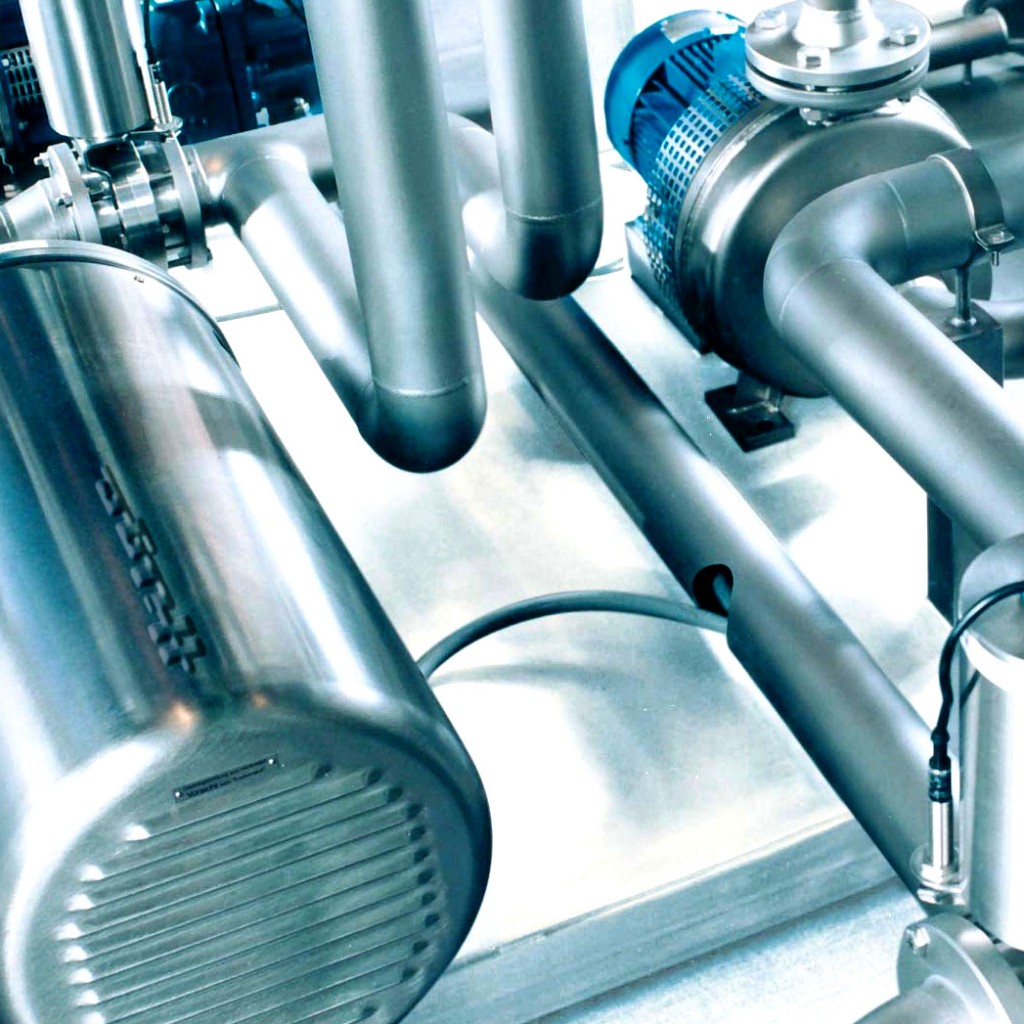
Sanitary pumps are made of stainless steel mainly due to its use in breweries, beverage production plants, dairies, food, pharmaceutical, biotech, cosmetic, water treatment plants, semiconductor manufacturing factories and textile industry.
Sanitary pumps designed according to strict hygiene criteria. By appropriate finish material which is the most important physical properties of the pump, the growth of bacteria and germs are excluded.
Therefore, the sanitary pump range consists of many different types, each device will ideally suited to the particular installation conditions.
Technical data
Euro-HYGIA – single sanitary pumps with axial inlet
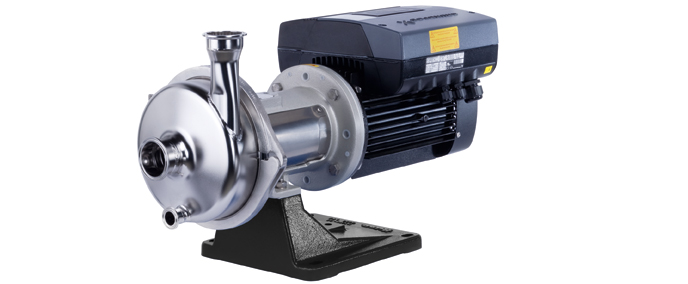
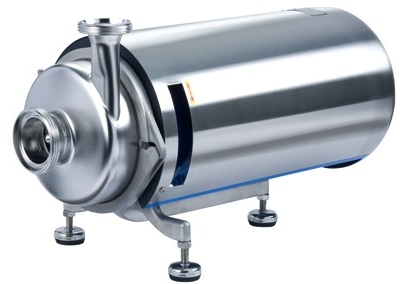
| efficiency | lifting height | operating pressure | diameter DN | engine power | operating temperature |
|---|---|---|---|---|---|
| to 108 m3/h | to 70 m | 1,6 MPa | 25 - 125 | 0,55 kW to 22 kW | 95 °C (150 °C on order) |
CONTRA – single-and multi-stage sanitary pumps with suction pumps
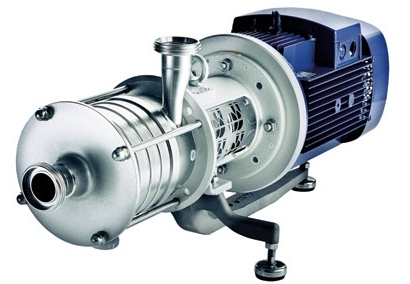
| efficiency | lifting height | operating pressure | diameter DN | engine power | operating temperature |
|---|---|---|---|---|---|
| to 55 m3/h | to 160 m | 2,5 MPa | 25 - 80 | 0,55 kW to 18,5 kW | 95 °C (150°C on order) |
SIPLA – single-stage, self-priming side channel sanitary pumps
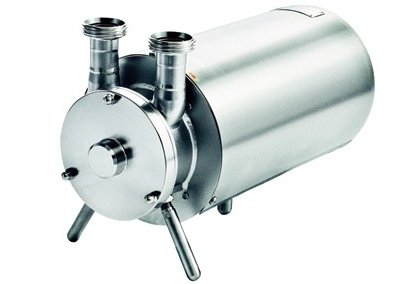
| efficiency | lifting height | operating pressure | diameter DN | engine power | operating temperature |
|---|---|---|---|---|---|
| to 80 m3/h | to 56 m | 1 MPa | 32 - 80 | 0,55 kW to 22 kW | 95°C |
MAXA – single process pump to the axial inlet of a stainless steel
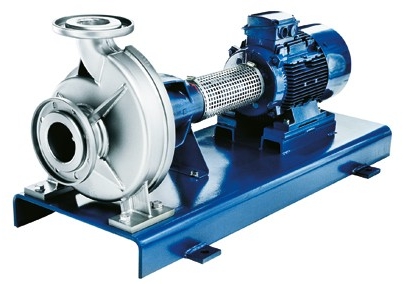
| efficiency | lifting height | operating pressure | diameter DN | engine power |
|---|---|---|---|---|
| to 820 m3/h | to 97 m | 1 MPa | 80 - 150 | 7,5 kW to 90 kW |
MAXANA – single process pump to the axial inlet of a stainless steel
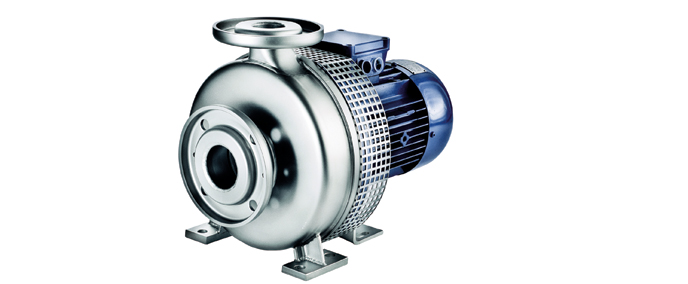
| efficiency | lifting height | operating pressure | diameter DN | engine power |
|---|---|---|---|---|
| to 165 m3/h | to 97 m | 1 MPa | 32 - 80 | 2,2 kW to 55 kW |
DURIETTA – single-or multistage, end-suction sanitary
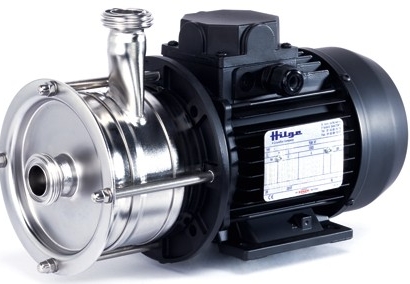
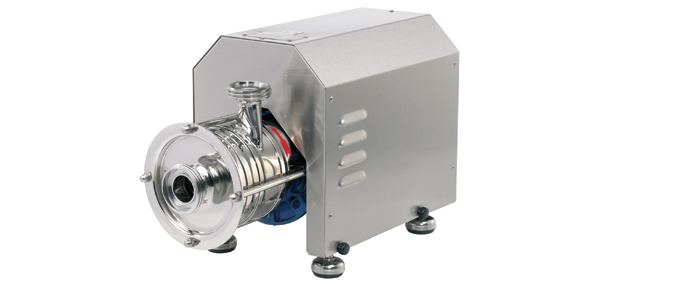
| efficiency | lifting height | operating pressure |
|---|---|---|
| to 6 m3/h | to 70 m | 0,8 MPa |
Contact with us
You may also like:
monoblock stage pumps
Monobloc pumps are designed for pumping clean, slightly contaminated, and other liquids in the corrosion resistance of materials used in their construction. With the console mounted directly on the rotor shaft of the motor – pump has a compact design. The pump is used where you have limited space for its development. These devices are used in industrial heating, power, steel, water-drain, chemicals, coke, in quarries and in installations: central heating, air conditioning, water supply, booster, hydrant, industrial.
self priming pumps
Cardiovascular-priming pumps are used for pumping the corrosion resistance of materials used in their construction. Self suck, so you do not need to flood in to the suction fluid. Depending on construction and material the pumps can be used to pump such as gasoline, fuel oil, liquefied propane with a mixture of butane without the gas phase. They are used in water supply from wells or reservoirs, water vending machines, water supply systems and industrial plants and petro-chemical, filling terminals, LPG stations.
metering pumps and dosing systems
Metering pumps are designed for very precise liquid dispensing. Are used in processes requiring precise, continuous or periodic administration of substances and mixtures for the preparation of a specific chemical composition. These pumps are built based on commuting engines rotating engine reciprocating piston or diaphragm. Power units can be set up in series to form a multi-head pump units. Additionally, we offer complete sets of dispensing with the tank, dosing pump, mixer and control the preparation, storage and dispensing solutions.